

The automotive transport landscape in 2026 is defined by unprecedented mechanical diversity and architectural complexity. Vehicles on modern roadways range from ultra-low clearance sports cars with carbon-fiber splitters to heavy, dual-motor electric SUVs equipped with complex pneumatic suspension networks. Consequently, standard hook-and-chain towing methodologies have become entirely obsolete for modern vehicle owners and fleet managers.
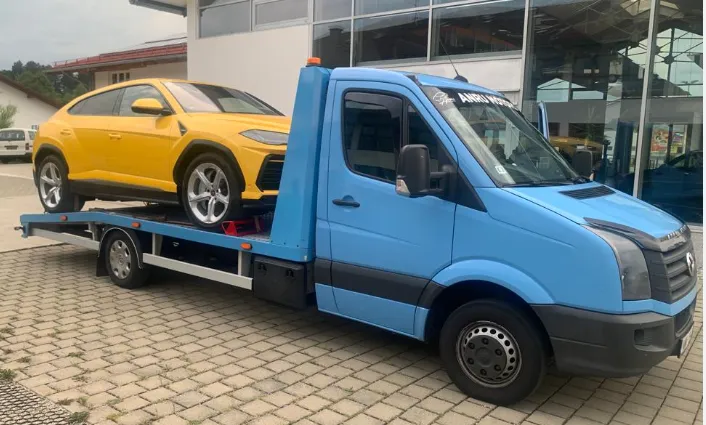
When an advanced automobile encounters a mechanical failure or requires transport, traditional extraction methods risk causing severe structural or electrical damage. Today’s high-value and heavy-duty vehicles require mathematically calculated recovery protocols that respect specialized weight distribution and delicate bodywork geometry. The roadside assistance industry has transformed into a high-precision branch of automotive logistics.
Transitioning toward specialized vehicle extraction requires an understanding of modern chassis design, low-angle ramp dynamics, and electronic drivetrain safeties. Modern recovery operators utilize multi-stage hydraulic flatbeds and soft-touch rigging systems to ensure zero-contact transport. Understanding these advanced extraction protocols is essential for safeguarding modern automotive investments during emergencies.
Additional information: autoevakuators
What is Specialized Vehicle Recovery and Why Pay Attention?
Specialized vehicle recovery is the engineered extraction, loading, and transit of vehicles that exceed standard dimensional, weight, or ground-clearance parameters. Unlike routine towing, this specialized discipline employs hydraulic zero-degree flatbeds, air-cushion elevation systems, and precision synthetic wheel webbing to eliminate chassis stress. In 2026, specialized recovery caters specifically to high-performance sports cars, heavy SUVs, and high-voltage electric platforms.
Vehicle owners and fleet operators must pay close attention to this discipline because modern automotive engineering leaves no room for operational error during transit. Performance vehicles feature aerodynamic underbodies and active splitters that can easily fracture on standard loading ramps. Similarly, heavy electric SUVs carry concentrated weight in their chassis floor, requiring specialized axle load balancing to prevent structural twisting or suspension damage.
Attempting to transport complex modern vehicles using generic equipment exposes owners to catastrophic repair costs and voided manufacturer warranties. Modern specialized recovery platforms feature integrated telemetry monitoring to track tiedown tension and deck tilt angles continuously during loading. By choosing engineered recovery solutions, vehicle owners preserve their assets’ mechanical integrity and long-term resale value.
Common Mistakes to Avoid Regarding Specialized Vehicle Recovery
Extracting high-value or structurally complex vehicles under stressful roadside conditions often leads to critical operational mistakes. Rushing the loading procedure without verifying vehicle clearance or drivetrain state frequently results in severe secondary damage. To ensure safe transport, operators and vehicle owners must avoid several widespread errors.
-
Failing to verify approach angles: Attempting to drive or winch low-clearance sports cars onto steep ramps leads to immediate front splitter damage and costly underbody scrapes.
-
Bypassing electronic neutral overrides: Dragging an electric or all-wheel-drive vehicle without engaging proper drivetrain release protocols can permanently damage internal electric motors and gearboxes.
-
Attaching winches to suspension components: Connecting tow cables directly to aluminum control arms or steering linkages causes structural bending and severe wheel misalignment.
-
Neglecting air suspension lockout modes: Transporting vehicles with active pneumatic suspension systems without engaging service lockout settings causes continuous, damaging self-leveling attempts during transit.
-
Utilizing improper chassis tie-downs: Securing transport straps directly over paintwork or structural body panels instead of using dedicated wheel-harness webbing leads to severe cosmetic abrasion.
Related resource: zemu un sporta auto transportesana
Step-by-Step Guide: How to Effectively Use Specialized Recovery Systems
Managing the emergency transport of a specialized or high-value vehicle requires a strict, step-by-step operational protocol. Adhering to a standardized loading sequence guarantees that the vehicle remains entirely undamaged from initial attachment to final destination unloading. Following these sequential steps ensures full compliance with modern automotive handling standards.
-
Assess ground clearance and vehicle mass: Measure the front overhang approach angle and verify the exact Gross Vehicle Weight Rating to select the appropriate recovery equipment.
-
Engage electronic safety overrides: Access the vehicle’s onboard menu to activate electronic neutral release, disengage automatic parking brakes, and set pneumatic suspension to service mode.
-
Position zero-degree articulation decks: Deploy a specialized hydraulic flatbed that lowers completely flat to the ground, eliminating steep incline ramps for low-slung chassis.
-
Attach soft-touch winch extensions: Connect synthetic winch lines exclusively to manufacturer-designated tow eyelets or reinforced subframe anchor points.
-
Execute smooth hydraulic loading: Winch the vehicle slowly onto the aluminum deck, continuously monitoring clearance around lower splitters, side skirts, and exhaust pipes.
-
Apply four-point wheel harness securing: Fasten heavy-duty synthetic webbing directly over all four tires, locking the wheels to the deck while allowing the vehicle’s suspension to float naturally.
Additional information: dzipu transportesana
Best Practices and Expert Advice
Industry experts strongly advise vehicle owners to establish specialized recovery protocols long before an emergency roadside situation occurs. High-performance car owners and heavy SUV operators should maintain direct access to specialized transport services equipped with modern hydro-pneumatic leveling decks. Pre-planning emergency logistics prevents long delays and avoids relying on ill-equipped standard tow trucks during roadside incidents.
When transporting ultra-low exotic vehicles or high-end sports cars, experts recommend utilizing dedicated ramp extension ramps or inflatable air wedges. These auxiliary tools soften the approach angle even further, ensuring that low-hanging carbon-fiber diffusers clear the deck transition smoothly. Furthermore, transport technicians should always verify that winch cables utilize synthetic ropes rather than steel braided lines to prevent dangerous kinetic recoil and vehicle paint damage.
For heavy 4×4 vehicles and full-sized SUVs, understanding frame dynamics is critical. These vehicles often feature long-travel suspension systems and high centers of gravity, making them susceptible to swaying during flatbed transit. Specialized operators employ heavy-duty cross-strapping techniques that anchor the vehicle securely while preventing excess lateral roll on winding highways. Always ensure that the recovery platform’s payload capacity comfortably exceeds the vehicle’s actual curb weight.
Future Perspectives: Development Trends
The specialized vehicle recovery industry is evolving rapidly through automated spatial computing, AI assistance, and advanced material engineering. Over the next three years, recovery trucks will increasingly feature LiDAR spatial clearance scanning. These intelligent systems will scan incoming vehicle geometry in real-time and automatically adjust flatbed incline angles and ramp extension lengths to guarantee zero contact.
Material science is also driving major advancements in recovery rigging gear. Traditional nylon securing straps are being replaced by smart sensor-embedded synthetic webbing. These modern tie-downs wirelessly transmit real-time tension metrics directly to the transport driver’s dashboard, providing instant alerts if a strap loses pressure or shifts during highway transit.
Additionally, drone-assisted site assessment is becoming a practical reality for off-road and difficult extraction scenarios. Lightweight aerial drones can quickly survey terrain surrounding stranded off-road vehicles or SUVs in steep ditches. This visual data enables recovery operators to calculate exact winching angles and outrigger placement before deploying heavy machinery, significantly increasing extraction safety.
Conclusion
Navigating specialized vehicle transport in 2026 requires an advanced, engineering-first approach to roadside recovery and logistics. Relying on outdated towing practices introduces unacceptable risks for modern sports cars, heavy SUVs, and complex electric vehicles. By understanding low-angle loading dynamics, electronic drivetrain safeties, and structured securing protocols, vehicle owners can effectively protect their investments.
Adopting modern specialized recovery practices transforms unpredictable breakdowns into controlled, zero-damage transport operations. As automotive engineering continues to push boundaries with lower profiles and heavier electric platforms, partnering with specialized recovery experts remains essential. Prioritizing physical safety, dynamic precision, and modern extraction standards guarantees that high-value vehicles remain fully protected on every journey.
