

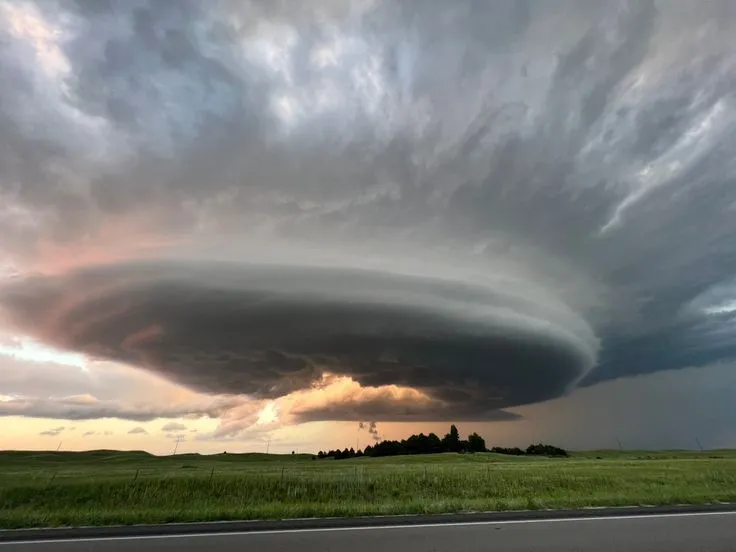
Weather may determine where a chase leads, but light often determines how travelers remember what they see. Across the Great Plains, sunshine, cloud cover, rain, and the lowering evening sun can transform the same landscape several times in a single afternoon. Someone considering tornado chasing tours 2027 may arrive primarily interested in severe weather, yet the interaction between storms and natural light can become one of the trip’s most memorable features.
These changes are particularly interesting for photographers, but no camera is required to appreciate them. Paying attention to light reveals details in fields, clouds, rainfall, and distant horizons that can easily be missed when all attention remains fixed on the strongest part of a storm.
Morning Light Establishes the Landscape
Before thunderstorms begin developing, morning conditions provide an opportunity to notice the character of the Plains themselves. Open agricultural land, long roads, scattered communities, and broad horizons can appear completely different under softer early light. Taking a few photographs during this period can also establish the beginning of a day’s visual story.
Later, when cloud cover increases or storms arrive, travelers can compare the changing atmosphere with the quieter landscape they saw only hours earlier.
Cloud Shadows Create Natural Contrast
As clouds grow, sunlight may become uneven across the landscape. One field can remain brightly illuminated while another sits beneath deep shadow. These contrasts can be visually striking, especially when darker storm clouds develop in the background. Photographers can use them to create depth without relying on complicated compositions.
The important habit is simply to look around. Interesting light may appear beside or even behind the main storm rather than directly beneath it.
Rain Can Alter the Appearance of the Horizon
Rainfall is not always a feature that hides the view. Seen from an appropriate distance, precipitation can add texture and shape to a storm scene. Rain shafts may appear darker than the surrounding sky, while sunlight from another direction can make portions of the precipitation look much brighter.
These changing conditions give travelers another reason to observe the storm as a complete landscape rather than focusing on one isolated cloud feature.
Late Afternoon Offers New Possibilities
Travelers exploring tornado tours 2027 Kansas may find late afternoon particularly interesting because the lower position of the sun changes how clouds and landscapes are illuminated. Instead of the more direct light of midday, sunlight may reach beneath cloud layers or strike storms from the side. This can emphasize cloud texture and create stronger separation between different areas of the sky.
Several scenes are worth watching for:
-
Sunlit fields beneath darker clouds
-
Bright edges around developing cloud towers
-
Illuminated rain in the distance
-
Long shadows across rural landscapes
-
Contrasting clear and stormy horizons
-
Warm light on departing weather
Each can provide a completely different mood.
Backlighting Can Reveal Unexpected Details
When the sun sits behind clouds or precipitation, familiar weather features can take on a new appearance. Thin cloud edges may glow, while rainfall becomes more visible against a brighter background. For photographers, these conditions can produce images that feel very different from straightforward front-lit landscapes.
There is no need to constantly adjust equipment in pursuit of perfect technical results. Watching how the scene changes first can help determine whether a wide landscape or a more focused composition tells the stronger story.
Wet Roads Can Add Visual Interest
After rainfall, roads and other surfaces may reflect portions of the sky. Under suitable conditions, these reflections can add depth to a landscape photograph. A rural road beneath a clearing sky, for example, can communicate the transition from active weather toward a quieter evening.
Any photography around roads should only be done from appropriate locations while following guide instructions. A visually appealing composition is never a reason to compromise sensible positioning.
Sunset Does Not Always End the Show
When storms remain nearby toward sunset, the sky can change rapidly. Colors may appear through breaks in the clouds, while distant storms remain much darker. This combination can produce some of the most atmospheric views of the entire day.
Even when active chasing is winding down, keeping an eye on the broader horizon can be worthwhile. A departing storm illuminated by the final daylight may provide a memorable closing scene.
Observe Before Reaching for the Camera
Changing light can disappear quickly, which makes it tempting to photograph continuously. Taking a moment to understand the scene can often produce better results. Travelers can identify what is creating the visual interest the clouds, illuminated landscape, rainfall, or contrast between different parts of the horizon and then frame the photograph accordingly.
This also leaves time to experience the view directly rather than seeing every memorable moment through a screen.
Conclusion
Changing light gives the Great Plains a different character throughout a storm-chasing day. Morning landscapes, cloud shadows, illuminated rain, late-afternoon contrasts, and dramatic evening skies can each add another layer to the experience.
With Storm Chasing Adventure Tours, travelers can discover that severe-weather journeys are not defined only by storms themselves. The constantly shifting relationship between weather, landscape, and light can be equally compelling.
