
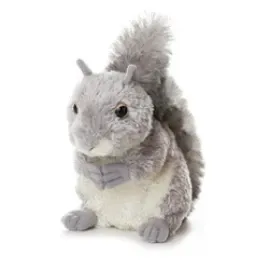
Plush toys can be memorable promotional gifts because they combine a friendly appearance with a sense of comfort and familiarity. Businesses can use them for customer appreciation, family-oriented events, product launches, and employee gifting initiatives. Whether selecting a dog plush for a playful campaign or a character-inspired toy for a themed event, the right choice depends on the target audience, product quality, safety, and branding possibilities.
A well-chosen plush toy can help create a positive association with a business while offering recipients something they may want to keep. Here are the main factors to consider before placing an order.
1. Understand Your Target Audience
The first step is identifying who will receive the plush toys. A gift designed for children may differ considerably from one intended for teenagers, adults, or corporate clients.
For family events, soft animals and friendly characters may appeal to a broad audience. For university campaigns or lifestyle brands, distinctive designs and playful themes can be more appropriate. Meanwhile, corporate gifting may call for understated colours, high-quality materials, and designs that reflect the company’s identity.
Consider the occasion, recipient preferences, and expected use before selecting a product. A relevant gift is more likely to be appreciated than one chosen without considering the audience.
2. Prioritize Material Quality and Softness
The material affects a plush toy’s appearance, feel, and durability. Look for soft fabrics, secure seams, consistent stitching, and filling that retains its shape with regular handling.
The toy should feel comfortable without having loose threads, uneven seams, or poorly finished edges. Product descriptions should clearly identify the materials used, especially when recipients may have sensitivities to certain fabrics.
If possible, request a sample before ordering in bulk. Examining the actual product helps businesses assess softness, stitching, size, and overall construction rather than relying entirely on catalogue images.
3. Check Safety Requirements
Safety is particularly important when plush toys may be given to children. Businesses should check applicable toy safety standards and request relevant compliance documentation from the supplier.
Pay attention to small detachable parts, buttons, plastic eyes, ribbons, and accessories that could present choking hazards for young children. Embroidered facial features may be a more suitable option for certain age groups, depending on the toy’s construction and applicable standards.
Age grading and care instructions should also be clear. Businesses should not assume that every plush toy is suitable for every age simply because it feels soft.
4. Select a Design That Fits Your Brand
A plush toy should complement the company’s identity without appearing overly commercial. Businesses can choose an animal, character, colour palette, or theme that connects naturally with their audience and campaign.
For example, a stuffed black cat may suit a seasonal promotion, a pet-related business, or a campaign built around distinctive animal characters. Other options include bears, dogs, rabbits, and customized mascots.
The design should be recognizable and visually consistent with the intended message. A toy that feels thoughtfully selected is more likely to become a keepsake than a generic item covered in excessive branding.
5. Explore Branding and Personalization Options
Promotional plush toys can incorporate branding through embroidered logos, small fabric labels, customized clothing, or coordinated packaging. The method should suit the toy’s material, size, and intended use.
Embroidery can offer a durable finish, while printed labels may work for simpler designs. Before production, review the artwork to ensure the logo remains readable at the chosen size.
Branding should not compromise comfort or safety. Avoid sharp attachments, unsuitable decorative elements, or accessories that could easily detach. A subtle and well-positioned logo often maintains the toy’s appeal while keeping the business recognizable.
6. Compare Size, Quantity, and Budget
Plush toys are available in different sizes, and the right choice depends on the event and available budget. Smaller toys may be easier to distribute at exhibitions or conferences, while larger designs may be appropriate for special campaigns or employee gifts.
When comparing suppliers, consider the total cost rather than the unit price alone. Customization, packaging, shipping, and sample approval may affect the final budget.
Ordering in bulk can sometimes reduce the cost per item, but businesses should confirm the minimum order quantity and production timeline. Purchasing samples first can help prevent quality issues across a large order.
7. Consider Packaging and Maintenance
Packaging influences how recipients experience a promotional gift. A clean, coordinated presentation can make a plush toy feel more thoughtful without requiring elaborate materials.
Reusable bags, simple boxes, or branded tags may be suitable depending on the occasion. Packaging should protect the toy during transport and clearly communicate any relevant care instructions.
Check whether the toy can be surface-cleaned or machine-washed according to the manufacturer’s guidance. Easy maintenance can improve its long-term usefulness.
Conclusion
Choosing plush toys for promotional gifts involves balancing audience preferences, material quality, safety, design, customization, and budget. A carefully selected toy can create a welcoming impression while giving recipients something enjoyable to keep. Businesses evaluating custom branded products should consider how each item fits their campaign objectives and audience. BRAVA Marketing operates in the promotional products and customized merchandise sector, where branded gifts can be considered for corporate events, marketing activities, and customer appreciation initiatives.
