
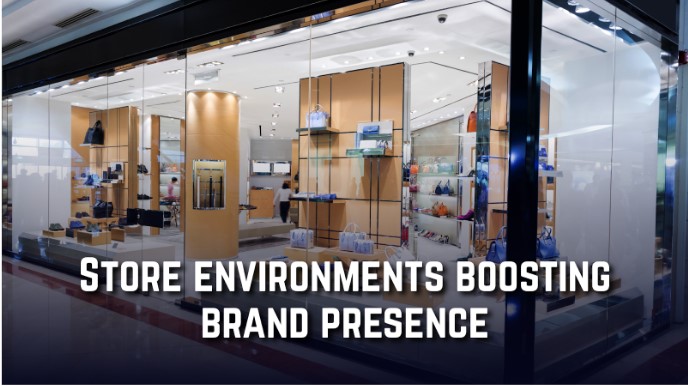
In today’s competitive retail landscape, the design and construction of store environments play a critical role in shaping customer experiences. Businesses are increasingly turning to Retail Construction solutions to create spaces that not only reflect brand identity but also drive engagement, increase sales, and enhance overall operational efficiency. Modern retail environments are no longer simply transactional spaces—they are experiential hubs that combine design, technology, and functionality to meet evolving consumer expectations.
The Shift Toward Experiential Retail Spaces
Consumer behavior has shifted significantly in recent years. Shoppers now seek immersive experiences that engage multiple senses, offering more than just the opportunity to purchase products. Modern store designs prioritize layout, lighting, and interactive elements that foster customer interaction. These experiential approaches make stores more than just shopping destinations—they become a reflection of the brand itself.
Careful consideration of space, product placement, and visual appeal ensures that every interaction within the store leaves a lasting impression. By integrating technology and smart design, businesses can create environments where customers feel connected, valued, and inspired.
Strategic Planning for Operational Efficiency
While aesthetics are important, functionality remains a key component of successful retail design. Effective layouts ensure smooth customer flow, efficient stock management, and easy access for staff operations. Modern retail projects require meticulous planning to balance display areas, service counters, and storage solutions, resulting in a cohesive environment that enhances both employee productivity and customer satisfaction.
A professional Retail Construction company plays a pivotal role in bringing these designs to life. Experienced contractors provide insights into material selection, construction timelines, and space optimization strategies that align with both the brand’s vision and operational needs.
Incorporating Technology for Modern Retail Experiences
The integration of technology has transformed the retail industry. Stores now feature interactive displays, digital signage, self-checkout kiosks, and augmented reality experiences that enhance customer engagement. These tools not only enrich the shopping experience but also provide valuable data insights to optimize store performance and product placement.
Smart solutions, such as IoT-enabled inventory tracking and real-time analytics, enable retailers to make informed decisions quickly. Technology integration, when combined with thoughtful store layouts, ensures that every customer interaction is meaningful and convenient.
Designing for Brand Identity and Customer Engagement
A modern retail environment communicates the brand’s values and personality through design elements such as color schemes, materials, lighting, and spatial arrangement. Luxury brands often emphasize elegance and sophistication with high-quality finishes, while tech-forward brands incorporate digital features and innovative layouts that highlight innovation.
Beyond aesthetics, the design also influences how customers engage with the store. Spaces designed to encourage exploration, interaction, and product discovery increase dwell time and ultimately boost sales. Retailers that successfully merge brand identity with functional design create memorable experiences that encourage repeat visits.
Sustainability in Retail Construction
Sustainability has become a key consideration in modern retail construction. Brands are increasingly adopting eco-friendly materials, energy-efficient lighting, and sustainable building practices to reduce environmental impact and align with global sustainability trends. Beyond environmental responsibility, these practices also enhance brand reputation, attracting eco-conscious consumers and setting the store apart from competitors.
Energy-efficient systems, modular layouts, and recycled materials are now standard considerations in contemporary store construction. Integrating sustainability ensures that retail spaces are future-ready and operationally efficient while reflecting corporate responsibility.
Flexibility for Changing Market Needs
The retail sector is highly dynamic, with trends, seasons, and consumer demands constantly evolving. Modern store designs embrace flexibility, enabling quick reconfigurations, seasonal displays, or promotional updates without major construction. Modular fixtures, adaptable shelving, and mobile display units allow stores to remain relevant and responsive to changing market conditions.
This adaptability not only supports business growth but also ensures that stores continue to provide engaging customer experiences regardless of market fluctuations. Flexible design is now considered a hallmark of high-performing retail environments.
Enhancing Customer Experience Through Environment
Every element of a modern retail store—from lighting and layout to signage and customer service areas—contributes to the overall shopping experience. Retailers are investing in creating environments that are welcoming, intuitive, and memorable. Thoughtful placement of interactive zones, product displays, and service points ensures a seamless and enjoyable customer journey.
The synergy of aesthetics, technology, and operational planning results in a holistic environment where customers feel connected to the brand. Engaging spaces encourage longer visits, higher spending, and stronger brand loyalty, proving the value of investing in intelligent retail design.
Conclusion
Building modern retail environments goes beyond mere construction; it is about creating spaces that elevate brand presence, foster engagement, and drive business performance. From strategic planning and technological integration to sustainable practices and flexible layouts, every detail contributes to a store’s success. By partnering with experts in the field, retailers can ensure that their physical spaces reflect their brand values while delivering exceptional experiences. With the guidance of a trusted dubai construction company, modern retail spaces are not just places to shop—they are immersive environments that leave lasting impressions and shape the future of customer engagement.
